Come, let us Usher in the Rupture

Come, let us Usher in the Rupture, 2026

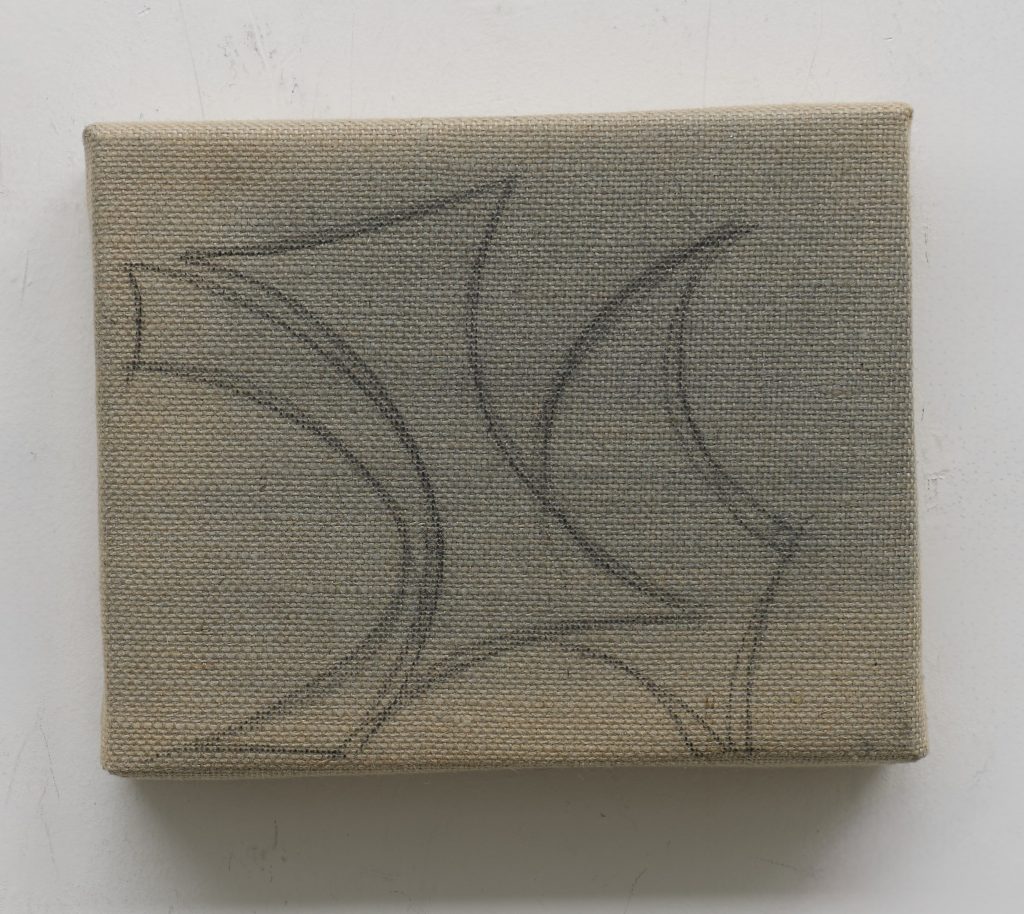
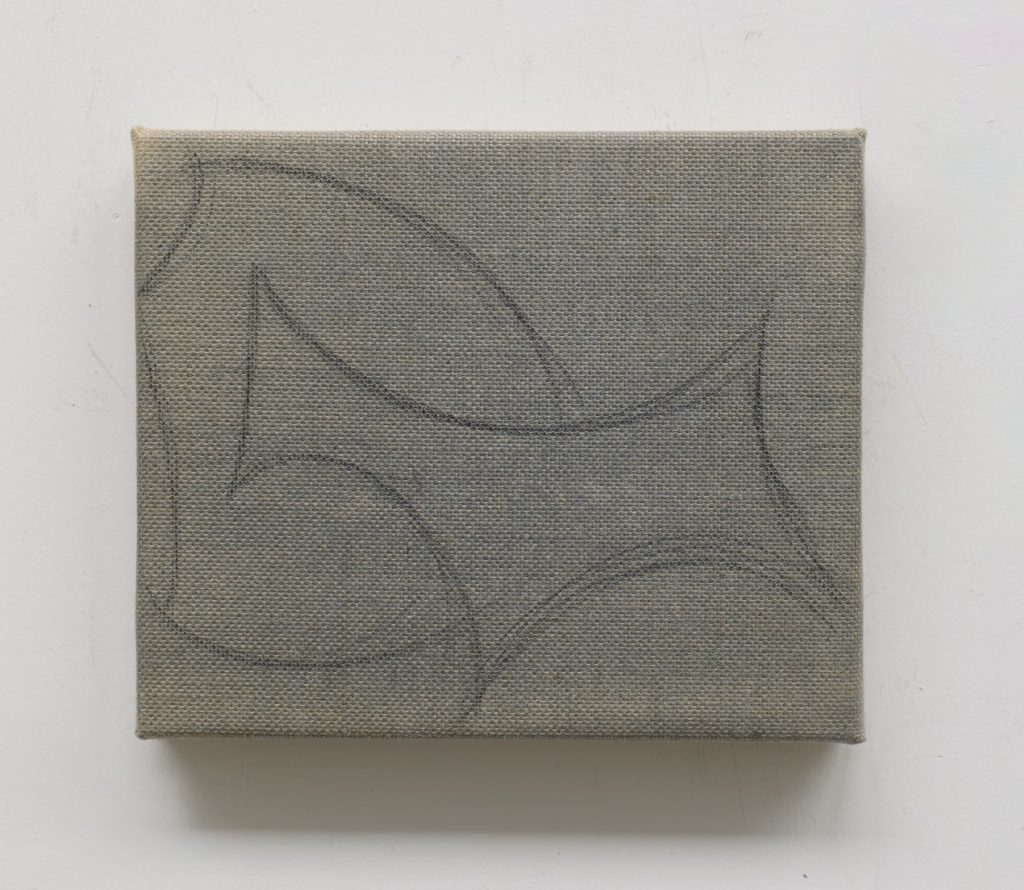
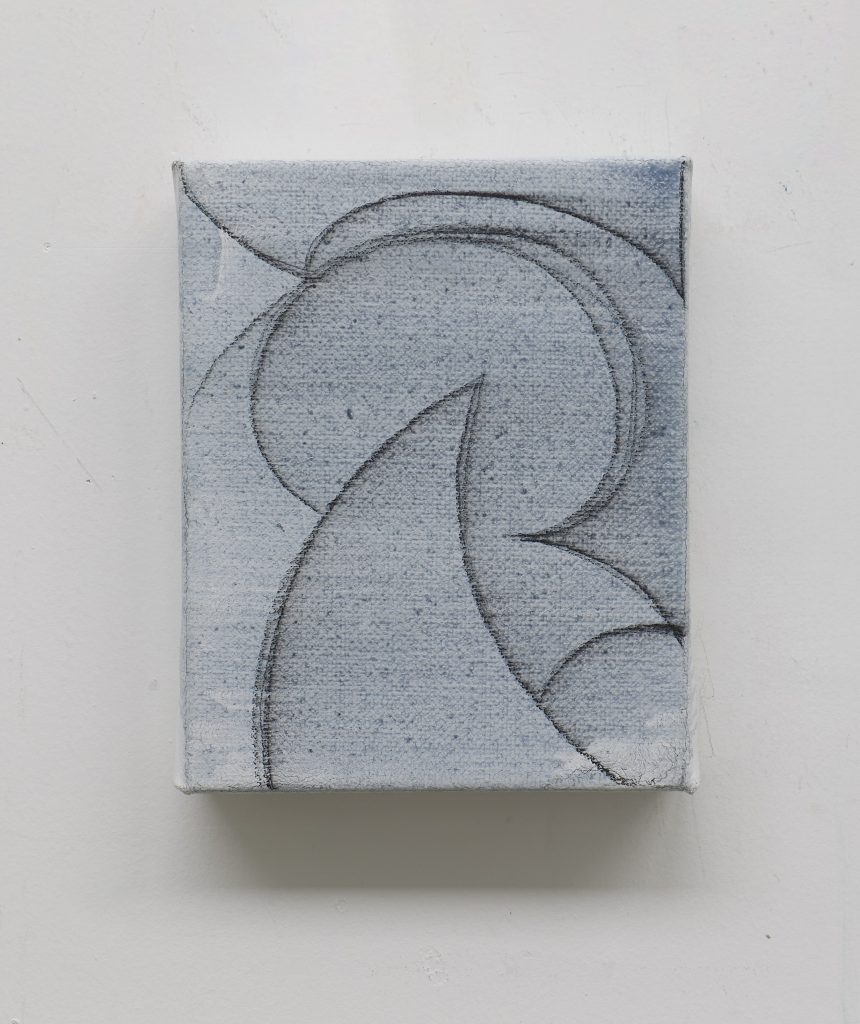
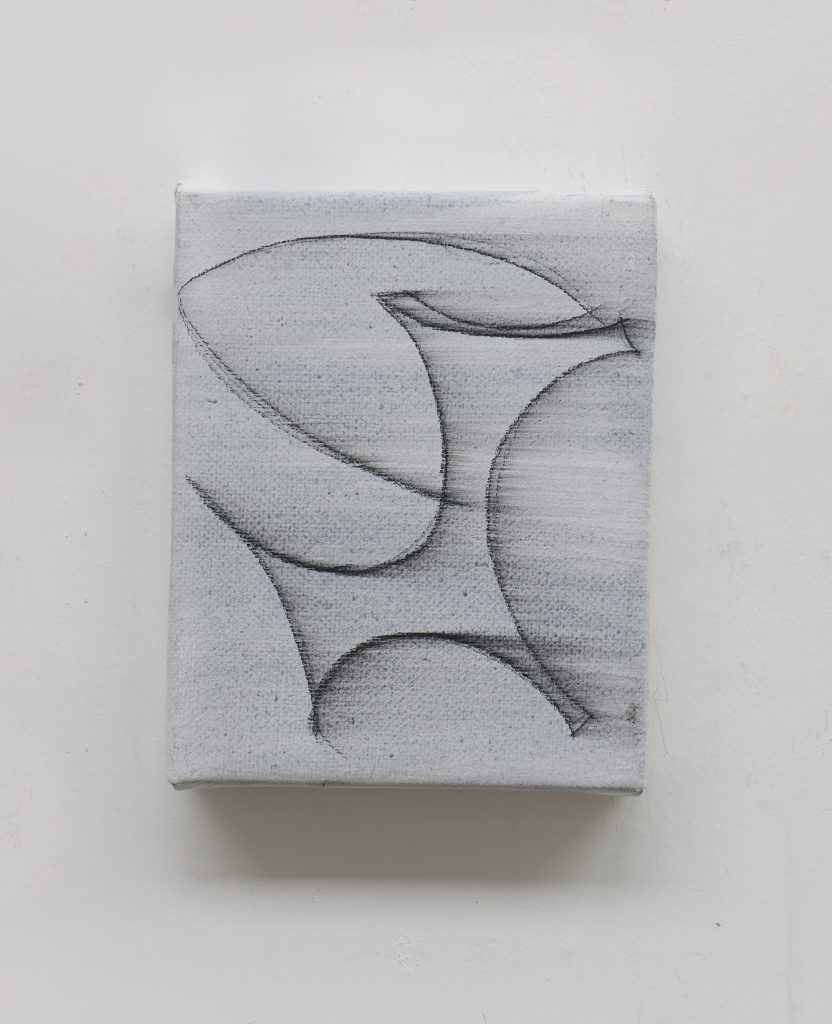
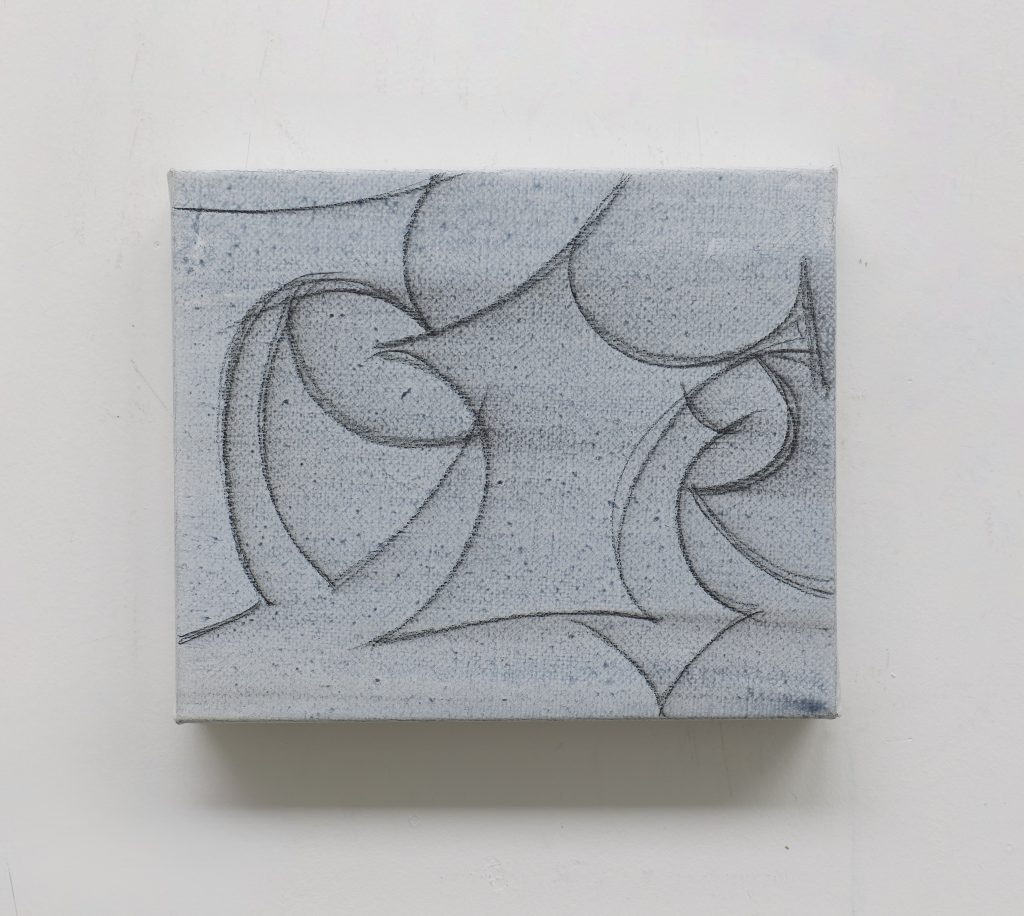
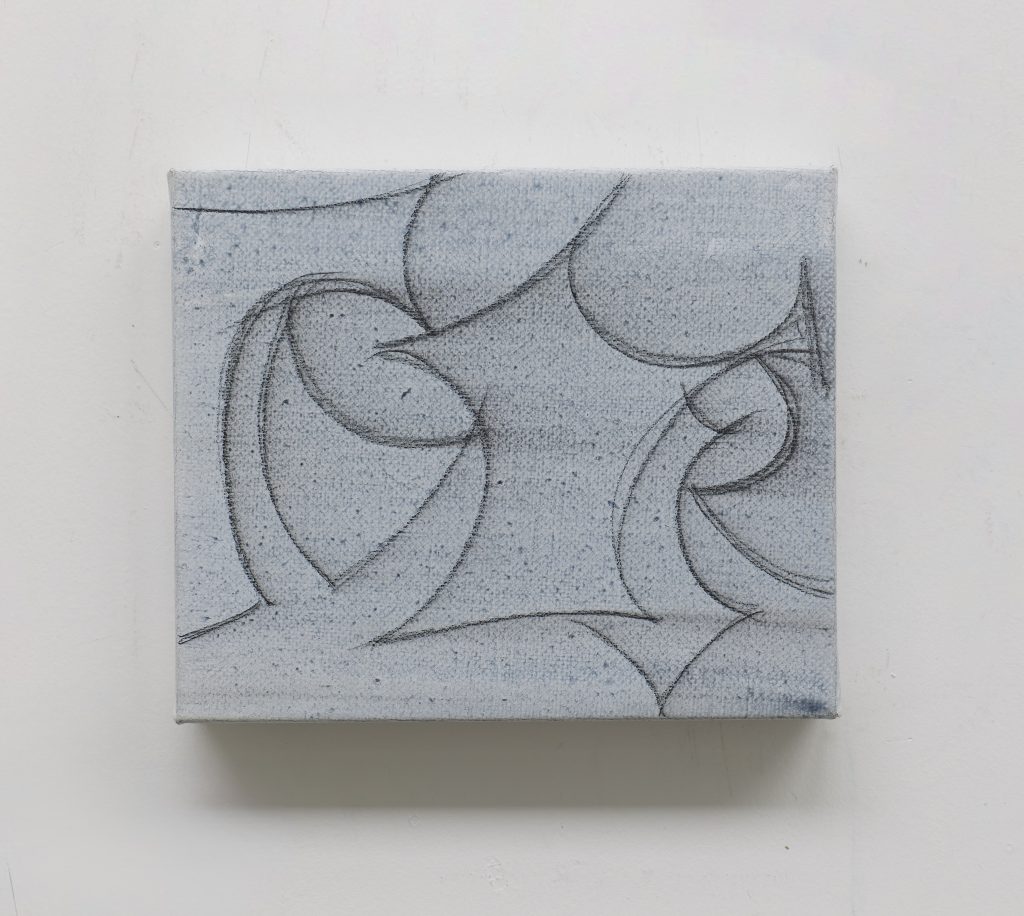
A slippage between hope and fear, 2026. Oil on hessian. 25 x 30cm.
Shine with me, 2026. Oil on hessian. 25 x 30cm.
Observe, we have everything we already need, 2026. Oil on hessian. 30 x 25 cm.
In motion with time, 2026. Oil on hessian. 30 x 25 cm.
Absorb with respect, 2026. Oil on hessian. 25 x 30cm.
A blissful connection, 2026. Oil on hessian. 25 x 30cm.
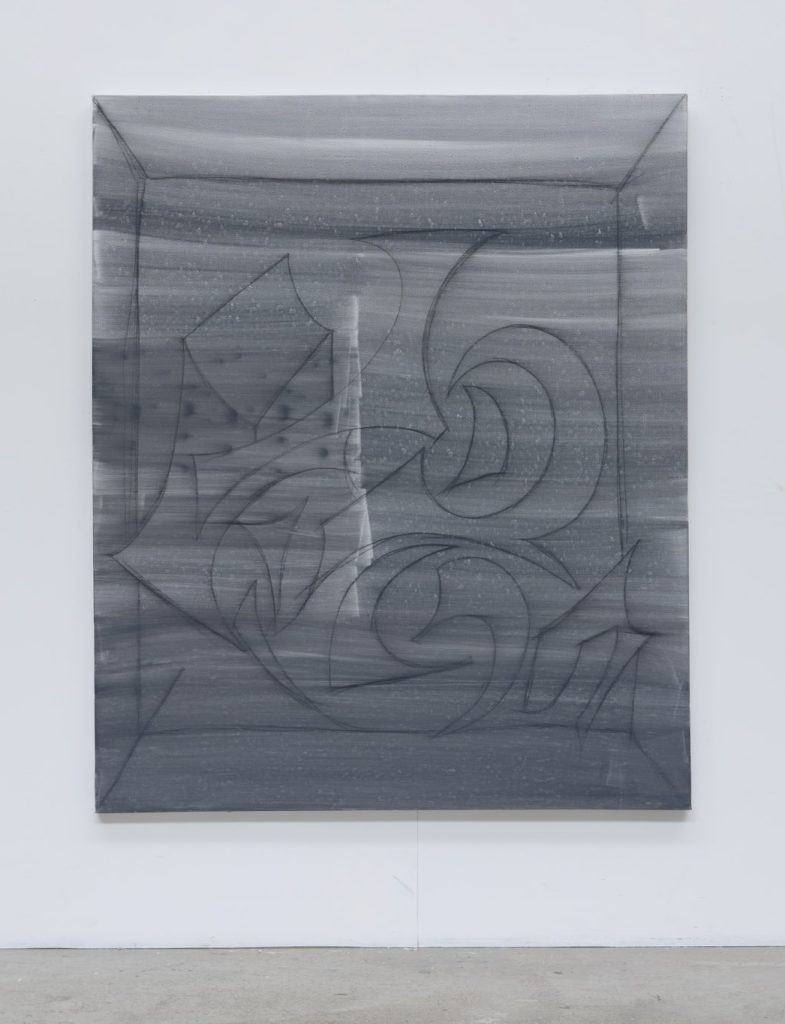
A healing worse than the wound, 2026. Oil on hessian. 180 x 150 cm.
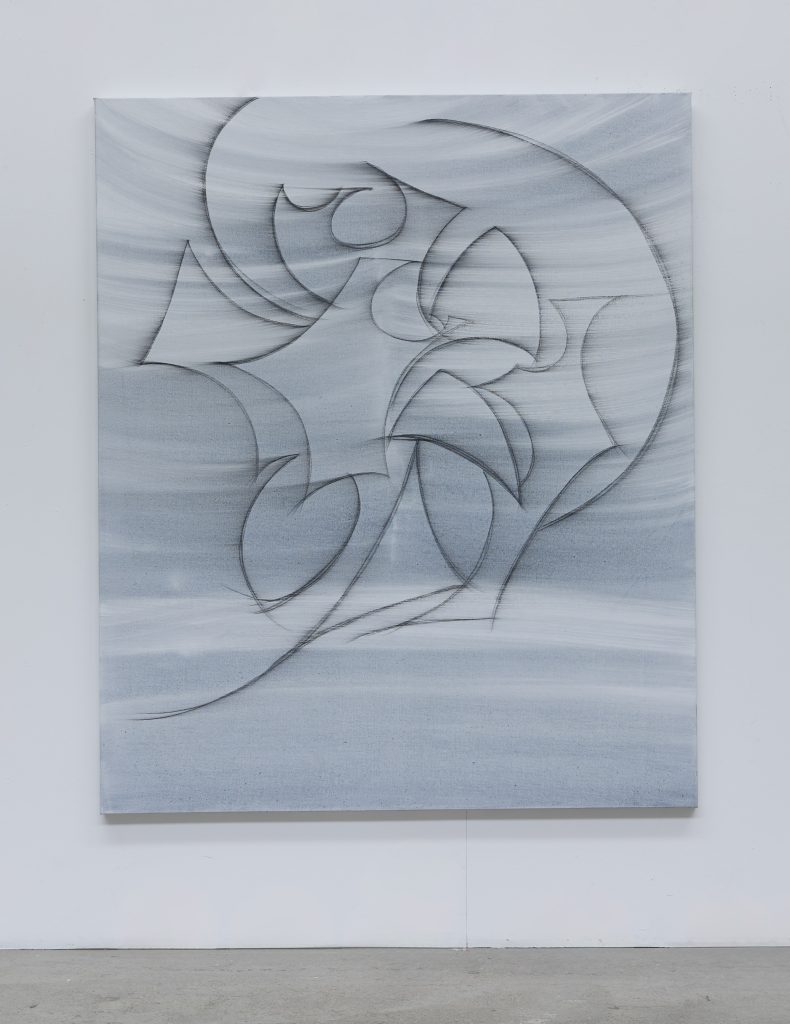
Dance, it is almost over, 2026. Oil on hessian. 180 x 150cm.
Looking for revelation dissatisfied with a hand full of squares, 2026. Oil on hessian. 180 x 150cm.
We opened my eyes and saw the world had ended, 2026. Oil on hessian. 180 x 150cm.
Dem ah watch, 2026. Oil on hessian. 180 x 150 cm.
Obeah ooman of di sabat, 2026. Oil on hessian. 180 x 150cm.
The Banton, 2026. Oil on hessian. 180 x 150cm.
Fire next time, 2026. Oil, conté, charcoal, and pigment on linen. 185 x 165cm.
Ponder with me in the suspension of Darkness, 2026. Oil, cement conté on canvas. 180 x150cm.
The silence of just before, 2026. Oil on hessian. 180 x 150cm.
And of all the times I have tried to love you, this time I have failed, 2026. Oil, conté, charcoal, and pigment on linen. 185 x 165cm.
Night, black statue prudence holds, 2026. Oil, conté and pigment on linen. 185 x 165cm.
Meet the wave, 2026. Oil, conté, charcoal cement, and pigment on linen. 185 x 165cm.

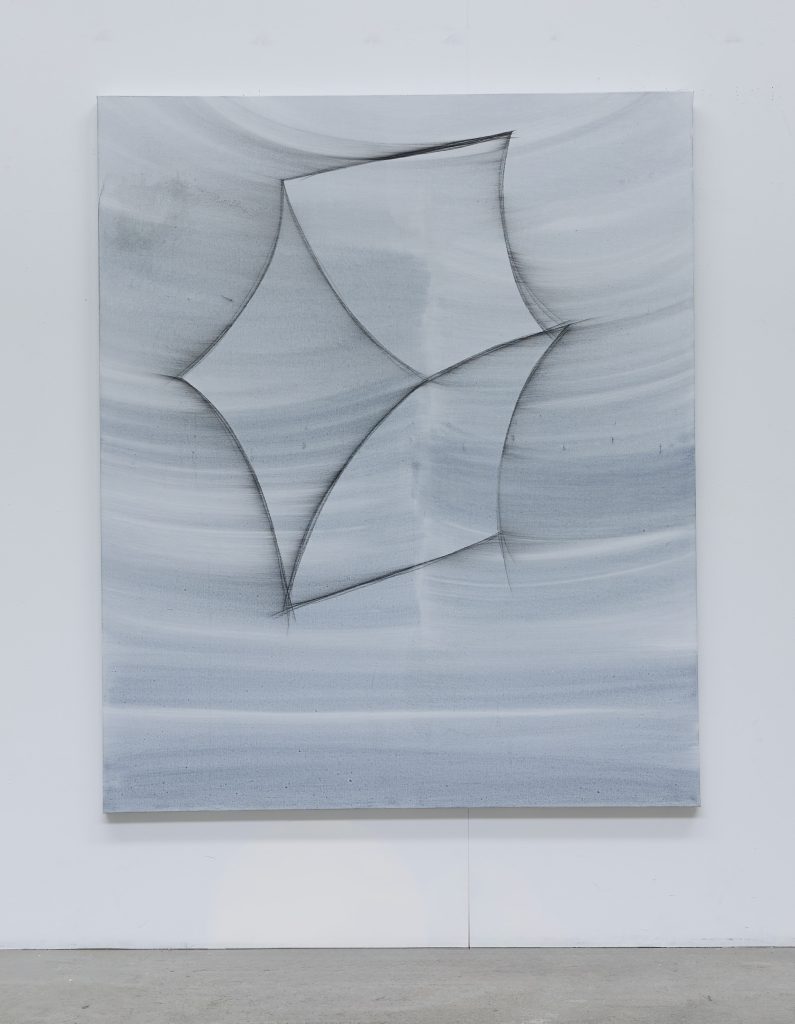
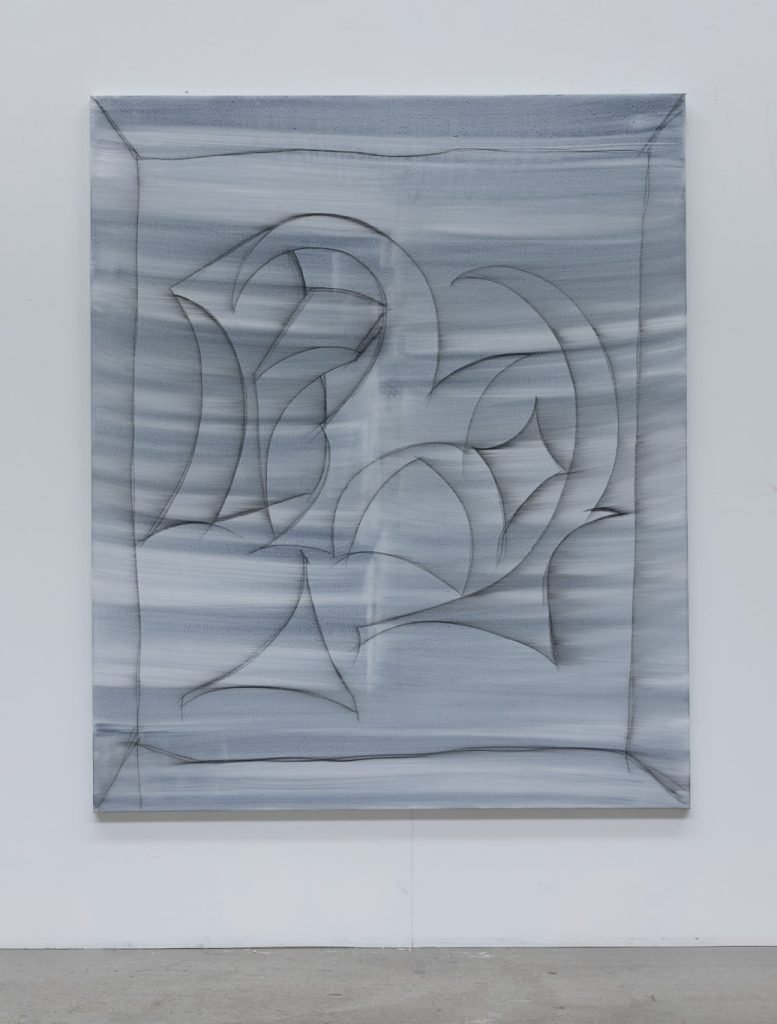
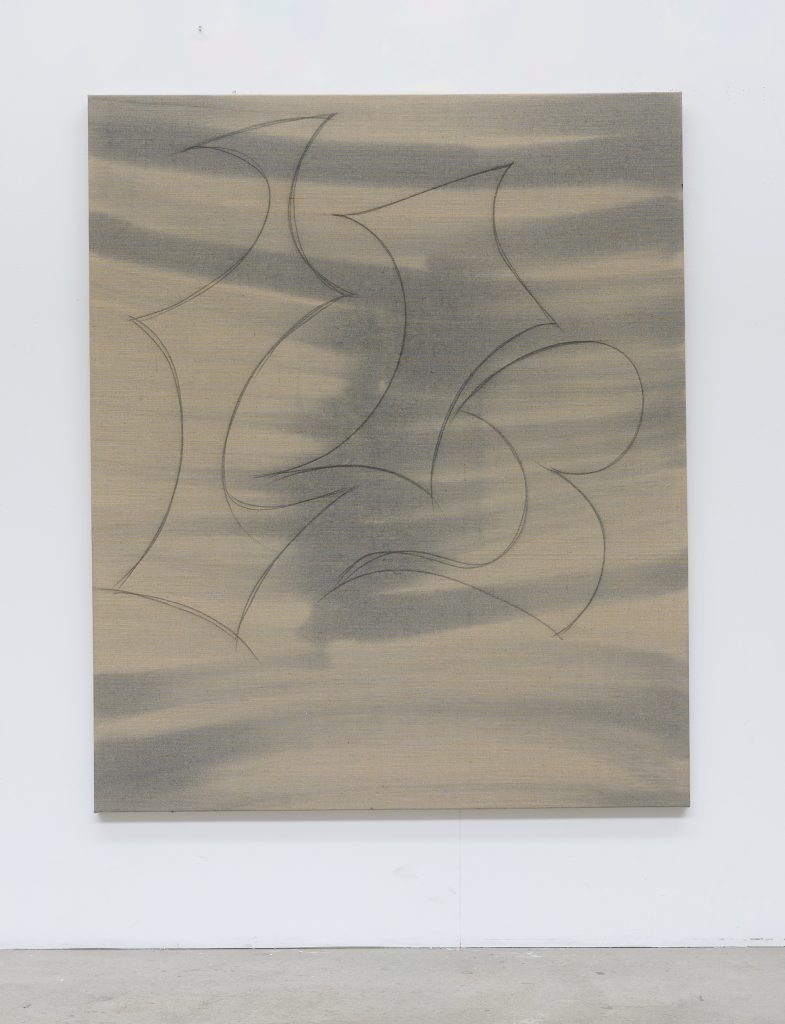
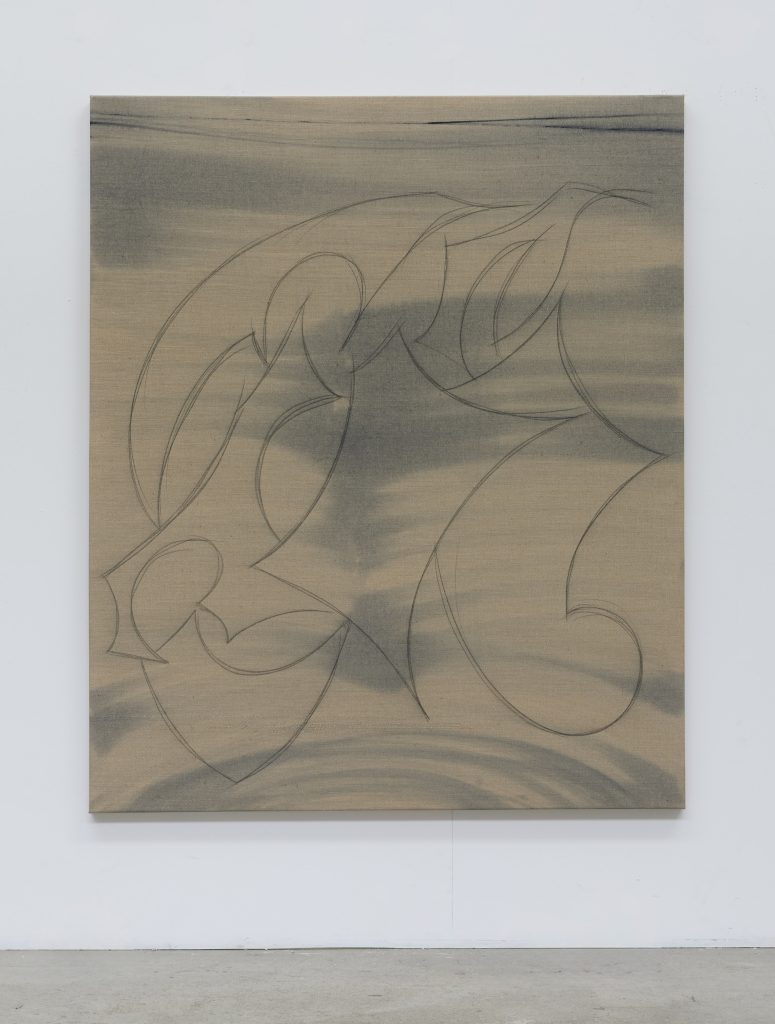
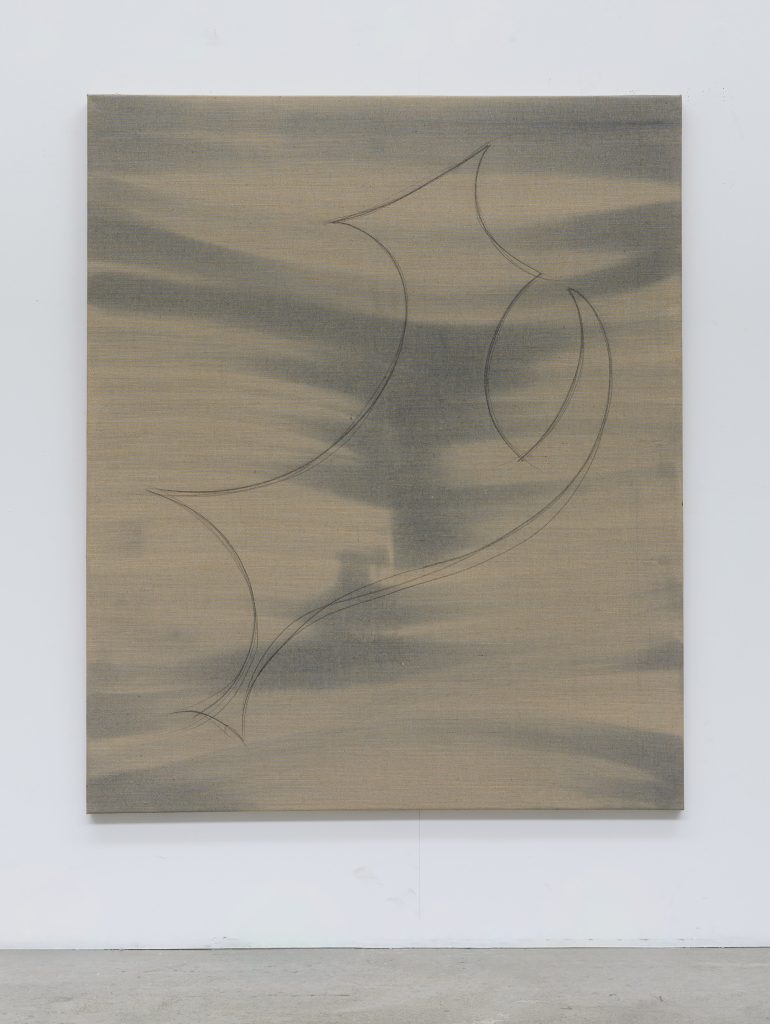
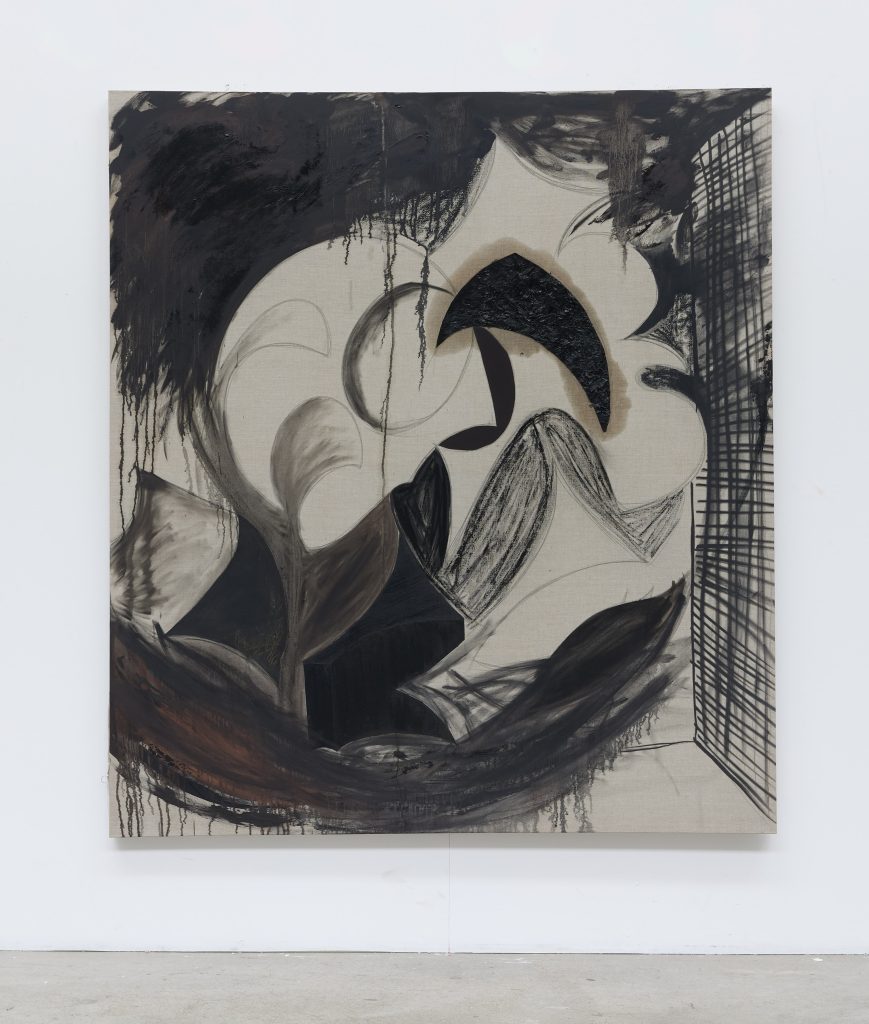
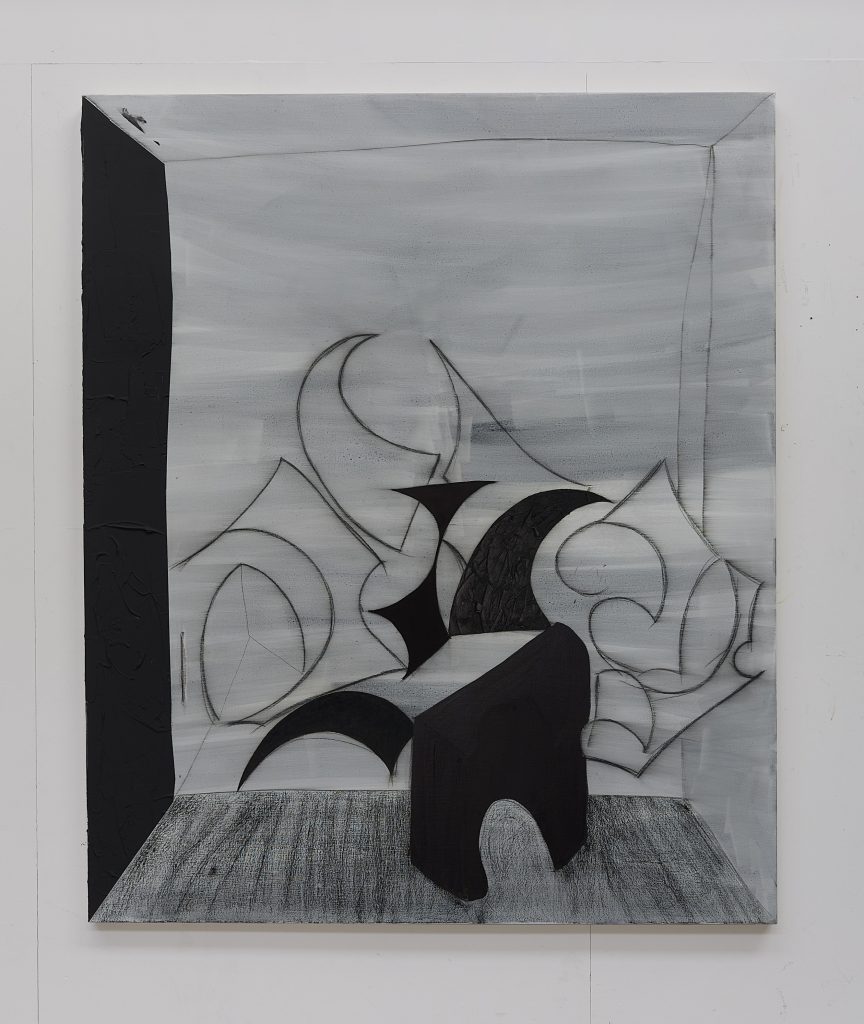
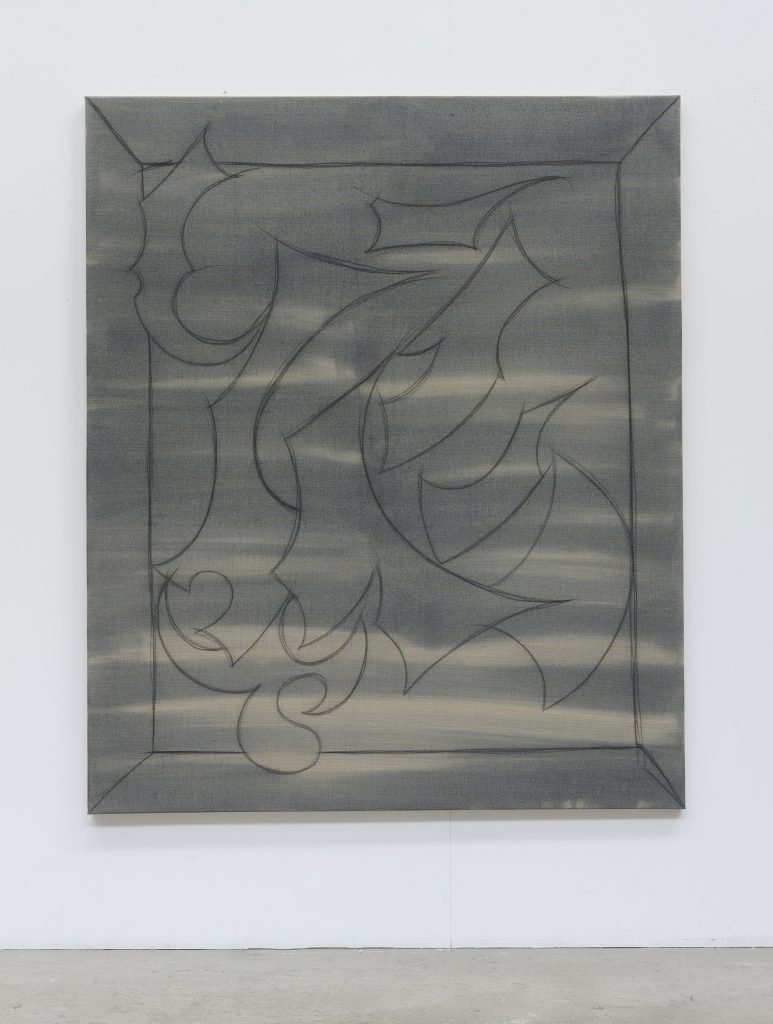
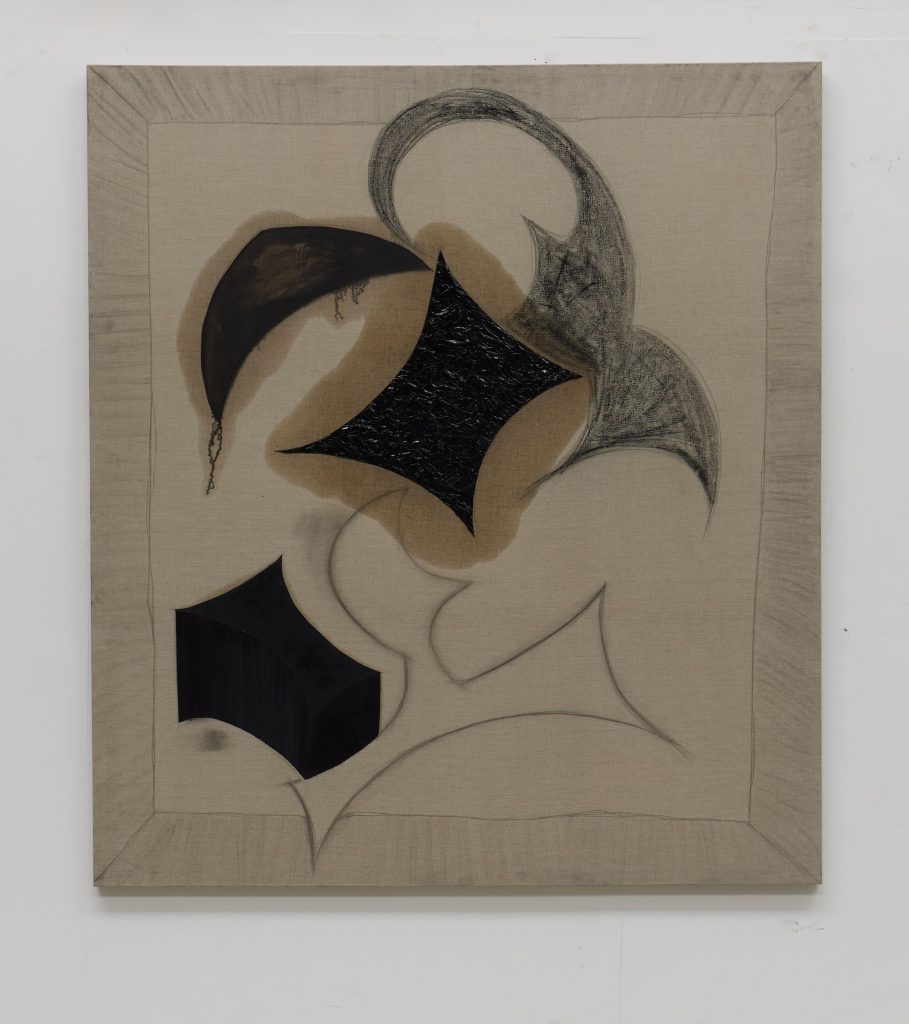
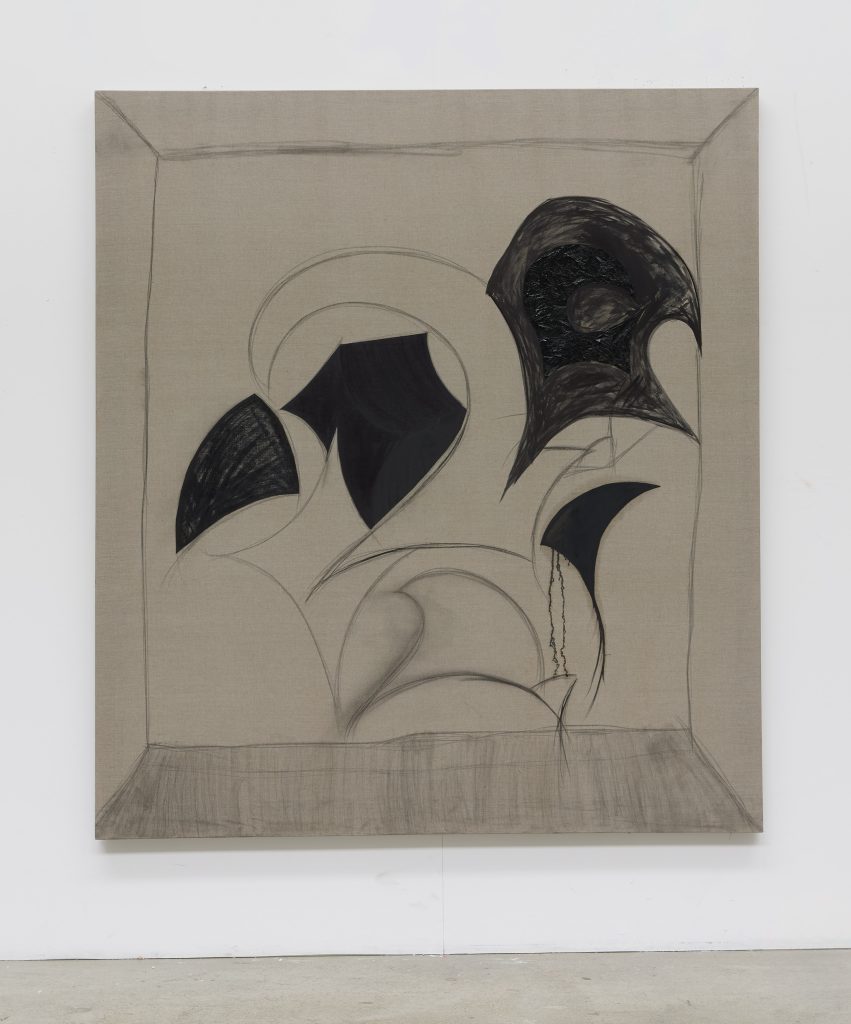
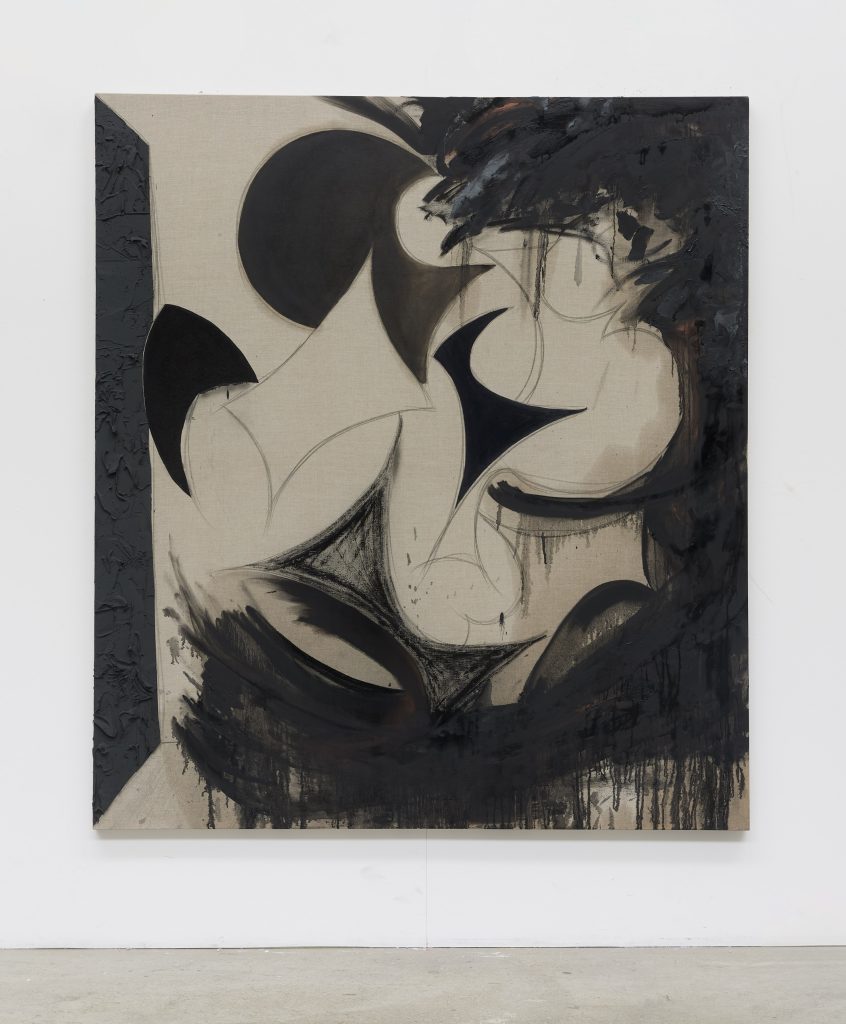
Come, Let Us Usher in the Rupture is a new body of work by Minott, bringing together paintings that begin with intuitive marks and the body. The works are tension-filled, shifting between drawing and painting, simultaneously full of air and pressure.

The paintings maintain Minott’s connection to time-based work, which is embedded in her wider practice spanning dance, performance, film, print, and sculpture. They change and shift over time depending on the viewer’s perspective, and have a temporal framework built into them. The work unfolds gradually, asking us to be present and to enter into exchange with it.

Minott works with an almost monochromatic palette, exploring the breadth and limits of black alongside a handmade pigment mixed from a Jamaican tree—one connected to her ancestral heritage. The pigment was originally imported to England in the eighteenth century and used to dye the robes of the British clergy black.

Figures hover between the figurative and the abstract, inhabiting environments that suggest stages, sets, architectures, or sites of encounter. At times they exist in complete blackout; at others, they stand in the spotlight, and occasionally in the full crescendo of life.

The works are elegantly difficult moving between chaos and order and the playfully traumatic.